
-
-
-
Girgaon, Mumbai - 400004
Stainless Steel Honed Tubes Manufacturer in India

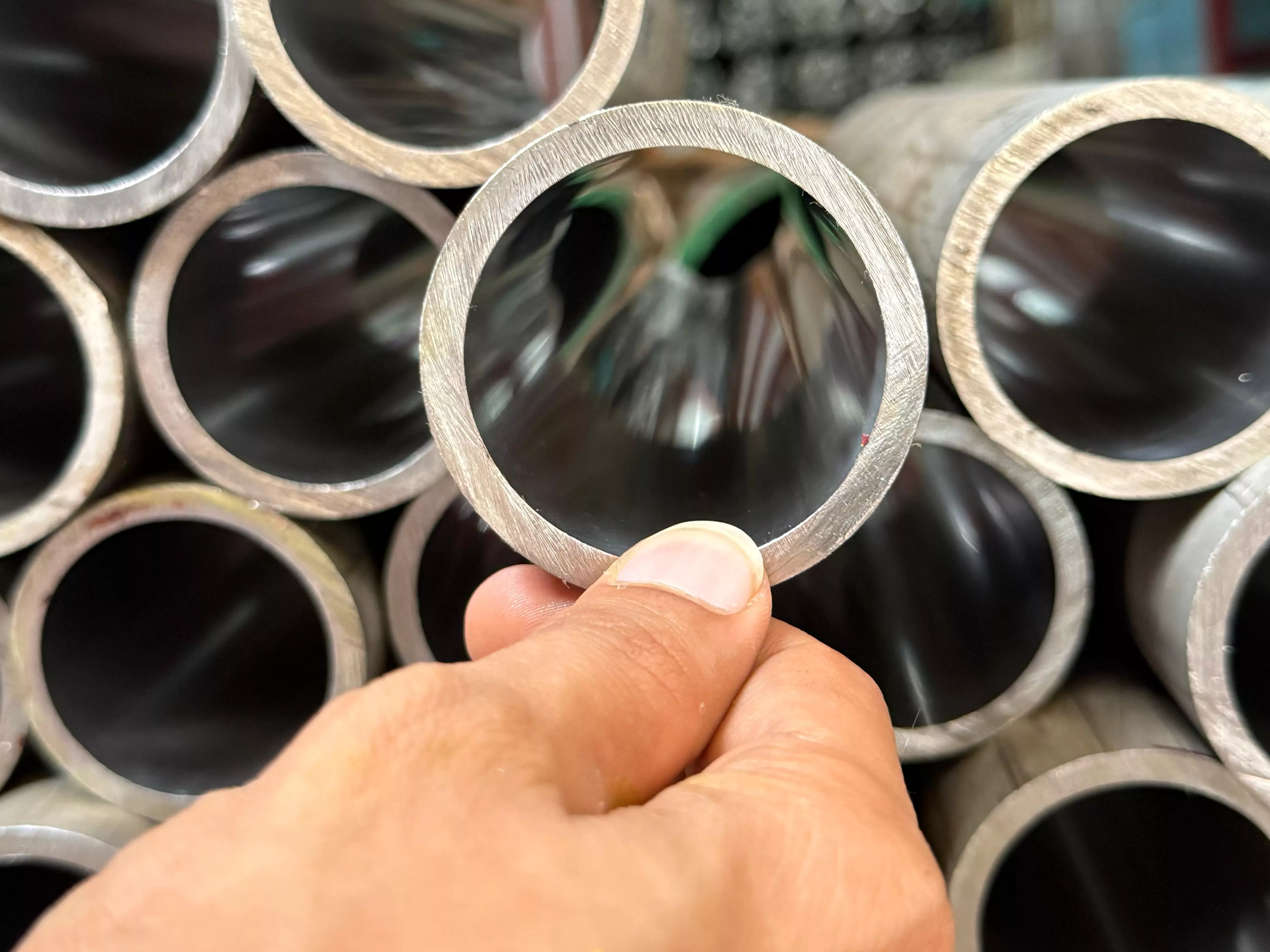
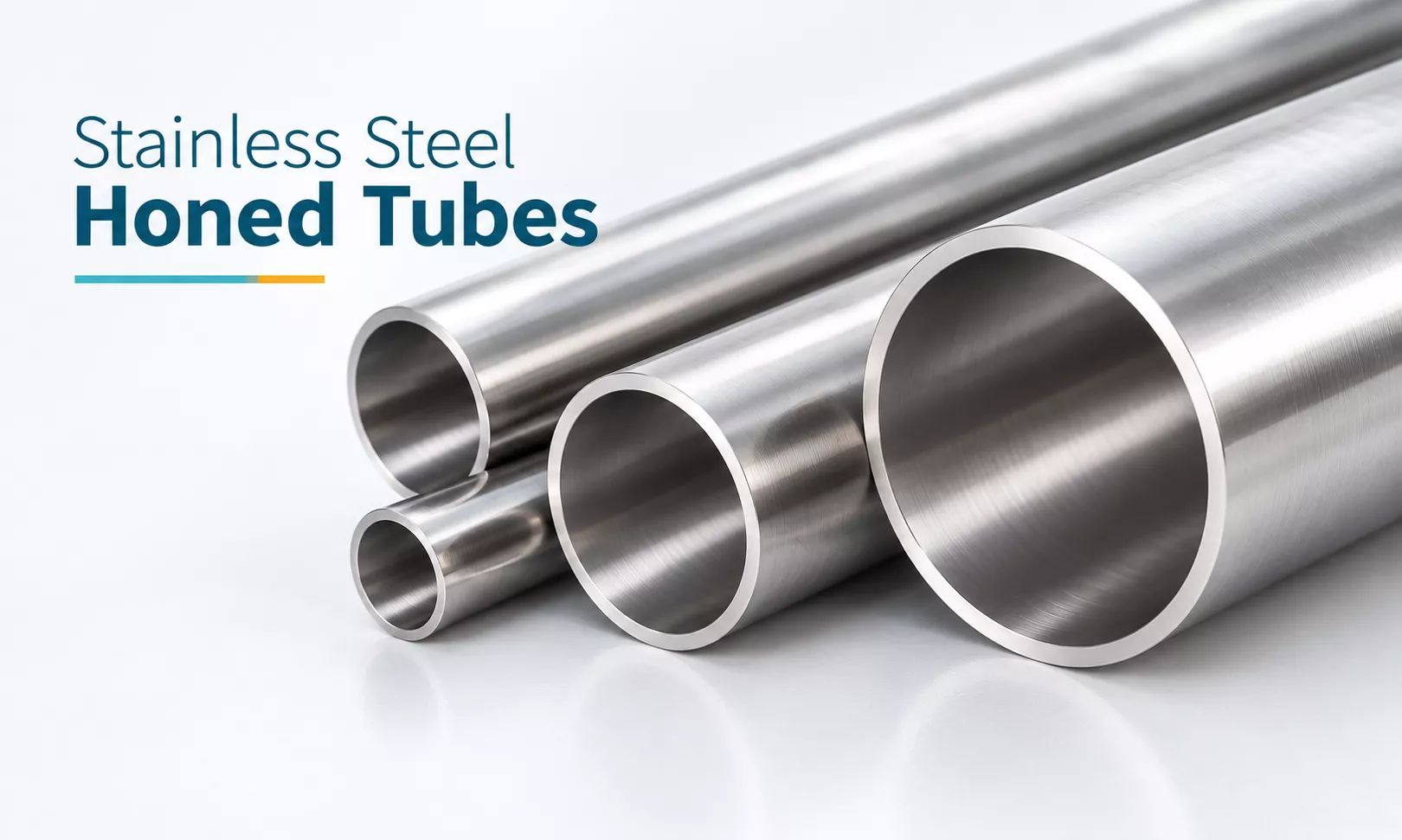
Stainless Steel Honed Tubes are precision-finished tubes with a carefully processed internal surface. Honing improves the bore finish and can help achieve the internal dimensional accuracy required for specialised engineering and industrial applications. These tubes are selected where bore quality, dimensional consistency and material corrosion resistance are important.
Custom stainless steel honed tubes can be specified according to the required outside diameter, inside diameter, wall thickness, length, surface finish and dimensional tolerances. The appropriate requirements depend on the component design, operating conditions and intended service.
Kamal Steels caters to industrial stainless steel product enquiries. Buyers can share their required grade, dimensions, quantity and technical specifications to discuss product availability and suitable supply options.
Table of Contents
Stainless Steel Honed Tube Specifications
Stainless steel honed tube specifications should be defined according to the requirements of the finished component. Dimensions, bore finish, tolerances and material grade should be confirmed before ordering.
| Specification | Description |
|---|---|
| Product | Stainless Steel Honed Tubes |
| Material | Stainless Steel |
| Grades | 304, 304L, 316 and 316L, subject to requirements and availability |
| Manufacturing Type | Seamless or other suitable construction, subject to specification |
| Dimensions | Outside diameter, inside diameter and wall thickness as specified |
| Length | Required standard or custom cut length, subject to availability |
| Internal Finish | Honed bore finish according to the specified requirement |
| Tolerances | Inside diameter, outside diameter, wall thickness and straightness as applicable |
| Inspection Documents | Material test certificates and other agreed inspection documents, where applicable |
Note: Final specifications, manufacturing route and availability must be confirmed against the purchase requirement. Do not assume that every grade, dimension or construction is available as a standard product.
Key Features of Stainless Steel Honed Tubes
Precision Internal Bore
Honing is a controlled finishing process used to improve the internal surface of a tube. The required bore quality depends on the application and the specified finish.
Dimensional Accuracy
Inside diameter and bore tolerances are important in precision assemblies. The required dimensional limits should be clearly specified and verified during inspection.
Corrosion Resistance
Stainless steel grades offer varying levels of corrosion resistance. The appropriate grade depends on the fluid, chemicals, temperature and surrounding operating environment.
Custom Dimensions and Finishing
Depending on manufacturing capability and availability, honed tubes may be specified by bore size, outside diameter, wall thickness, length and internal finish to suit the intended component.
Material Traceability
For industrial procurement, buyers may specify material test certificates, grade verification and inspection records. Documentation requirements should be agreed when placing the order.
Common Applications of Honed Tubes
Stainless steel honed tubes may be considered for specialised equipment and assemblies where a controlled internal surface, dimensional accuracy and suitable corrosion resistance are required. The final application depends on the tube design, material grade and operating conditions.
Precision Engineering
Honed tubes can be used in precision-engineered components where bore dimensions and internal surface quality affect assembly fit or component performance.
Industrial Machinery
Selected machinery and equipment may use honed tubing in applications requiring controlled internal dimensions. Suitability depends on the component design and the specified mechanical requirements.
Hydraulic and Fluid Systems
Stainless steel honed tubes may be suitable for certain hydraulic or fluid-handling components where corrosion resistance is important. Pressure rating, fatigue performance, bore tolerances and compatibility with the working fluid must be evaluated before selection.
Chemical Processing Equipment
In selected chemical-processing applications, stainless steel tubing can provide a useful combination of corrosion resistance and precision finishing. Grade selection must account for the chemicals, concentration, temperature and operating conditions.
Instrumentation and Specialised Equipment
Precision tubing may be incorporated into specialised instruments and equipment assemblies where controlled bore dimensions and a specified surface finish are required.
Stainless Steel Honed Tube Sizes and Dimensions
The dimensions of a stainless steel honed tube are selected according to the design of the finished component. Buyers should provide the inside diameter, outside diameter, wall thickness and required length wherever these values are defined by the application.
| Dimension | What to Specify |
|---|---|
| Inside Diameter (ID) | Required bore diameter and tolerance |
| Outside Diameter (OD) | Finished external diameter and tolerance |
| Wall Thickness | Required wall thickness, including applicable tolerance |
| Tube Length | Overall length or required cut length |
| Internal Surface Finish | Required finish or roughness value, where specified |
| Straightness | Applicable straightness requirement for the finished tube |
Actual size ranges and tolerances depend on the manufacturing process and product specification. Confirm the required dimensions before requesting a quotation.
Stainless Steel Honed Tube Grades
The choice of stainless steel grade depends on corrosion exposure, mechanical requirements, fabrication needs and operating temperature. Grades should be selected according to the service environment rather than appearance alone.
| Grade | General Characteristics | Selection Considerations |
|---|---|---|
| SS 304 | General-purpose corrosion resistance and formability | Suitable for evaluation in many general industrial environments |
| SS 304L | Low-carbon variant of Grade 304 | Often considered where welding-related sensitisation is a concern |
| SS 316 | Contains molybdenum for improved resistance to pitting and crevice corrosion in many environments | May be considered for selected chemical and chloride-exposed applications |
| SS 316L | Low-carbon variant of Grade 316 | Often considered for welded components and corrosion-sensitive service |
Grade availability and suitability for honing must be confirmed for the required dimensions and application. The final material specification should be agreed before ordering.
Frequently Asked Questions About Stainless Steel Honed Tubes
A honed tube is a tube whose internal surface has been finished using a honing process to achieve a specified bore finish and dimensional accuracy. Stainless steel honed tubes may be used in precision engineering, specialised machinery and selected fluid-handling applications where bore quality is important.
Three common categories of stainless steel tubing are seamless tubing, welded tubing and precision-finished tubing. Seamless tubes have no longitudinal weld seam, welded tubes are formed and joined from stainless steel strip, and precision-finished tubes undergo additional processing to meet specified dimensional or surface requirements. Honed tubing is one type of precision-finished tube.
The price of 1 kg of stainless steel varies by grade, product form, dimensions, quantity and prevailing material costs. Grades such as 304 and 316 generally have different prices because of their alloy composition. For an accurate quotation, specify the grade, product type, quantity and delivery requirements.
The price of a 20-foot stainless steel pipe depends on its grade, outside diameter, wall thickness, manufacturing method and order quantity. A larger-diameter or thicker-wall pipe generally requires more material. For pricing, provide the required grade, pipe size, schedule or wall thickness, and quantity.
Honing is a controlled abrasive finishing process used on a tube's internal surface. It helps improve bore finish and achieve specified internal dimensions. The final result depends on the original tube condition, honing method and required tolerances.
Tubes can be manufactured from stainless steel, carbon steel, alloy steel, aluminium, copper and other metals, as well as plastics. Stainless steel tubes are selected when corrosion resistance, durability and suitable mechanical properties are required. The appropriate material depends on the application and operating environment.
Hydraulic cylinder honing is performed using specialised honing equipment and suitable abrasive tools to restore or finish the cylinder bore. The process involves checking the bore condition, removing material in a controlled manner, and verifying the final diameter, geometry and surface finish. It should be carried out by trained personnel following the cylinder manufacturer's specifications and applicable safety procedures.
Standard tube sizes depend on the material, product type and applicable specification. Stainless steel tubing is specified by outside diameter, wall thickness or schedule, and length. Precision and honed tubes may also require a defined inside diameter, bore tolerance and surface finish. Confirm the applicable standard and dimensions before ordering.
Hydraulic systems commonly use seamless or suitable welded steel tubing designed for the system's pressure and operating conditions. Stainless steel tubing may be selected where corrosion resistance is important. The required material, wall thickness, tube dimensions and connections must be suitable for the working pressure, fluid, temperature and applicable hydraulic standards.
Honing may be appropriate when a hydraulic cylinder bore has surface damage or requires restoration within the manufacturer's permitted dimensional limits. It can improve the bore finish and help restore the required geometry. However, excessive wear, deep scoring, cracking or a bore outside its allowable dimensions may require a different repair or cylinder replacement. Inspect the cylinder before deciding whether honing is suitable.
Enquire About Stainless Steel Honed Tubes
When sourcing stainless steel honed tubes, confirm the material grade, bore dimensions, internal surface finish, tolerances and inspection requirements before placing an order. These details help ensure that the supplied product matches the intended application.
Contact Kamal Steels with your required specifications to discuss availability, documentation and quotation requirements.