
-
-
-
Girgaon, Mumbai - 400004
Stainless Steel Capillary Tubes Manufacturer in India
Stainless Steel Capillary Tubes are precision-engineered, small-diameter tubes used to carry gases or liquids in tightly controlled, low-volume applications. They feature smaller bores and often thinner walls than standard industrial tubing. Stainless steel grades 304 and 316 are common choices. Buyers should evaluate bore diameter, outside diameter, wall thickness, material grade, dimensional tolerances and supplier reliability before purchasing.
Precision components are essential in industries where dimensional accuracy affects product performance. Medical devices, aerospace systems, pharmaceutical manufacturing and scientific instrumentation all use components designed to exact specifications. Stainless steel capillary tubes play an important role in these applications by carrying gases and liquids through systems where small dimensional variations can influence performance.
Sourcing the right capillary tube manufacturer or supplier requires evaluating material grades, wall thicknesses, bore sizes and dimensional tolerances. Understanding these specifications helps buyers identify tubing that matches their application requirements.
Stainless Steel Capillary Tubes Gallery
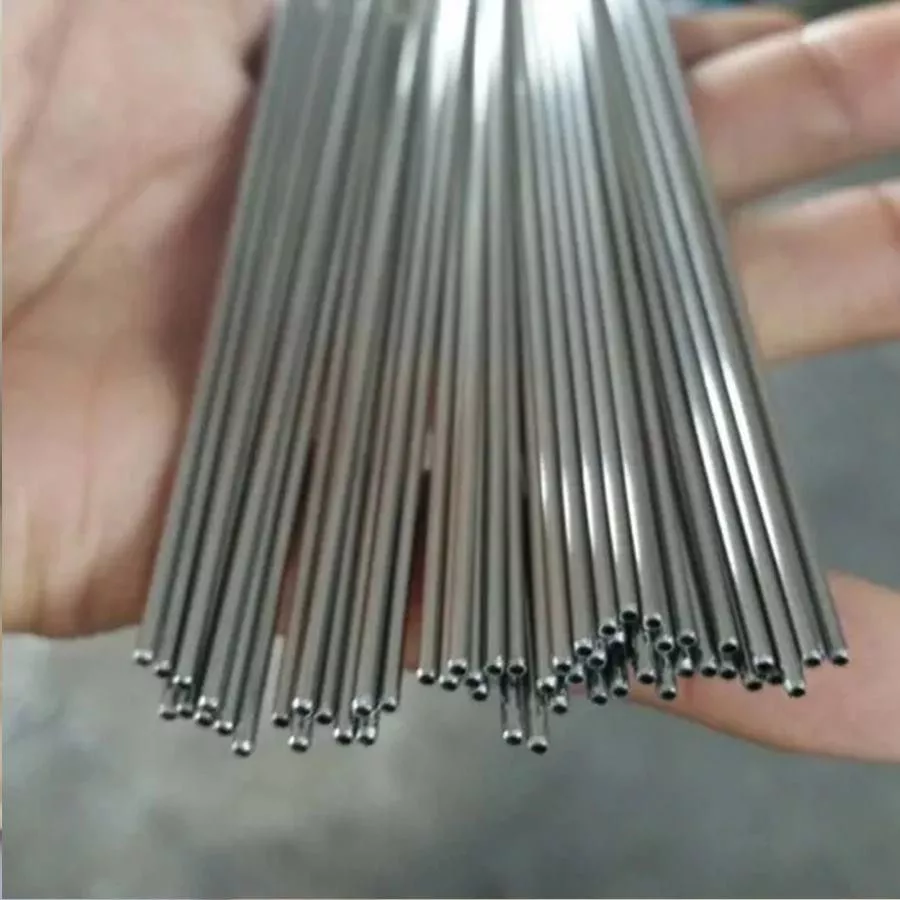
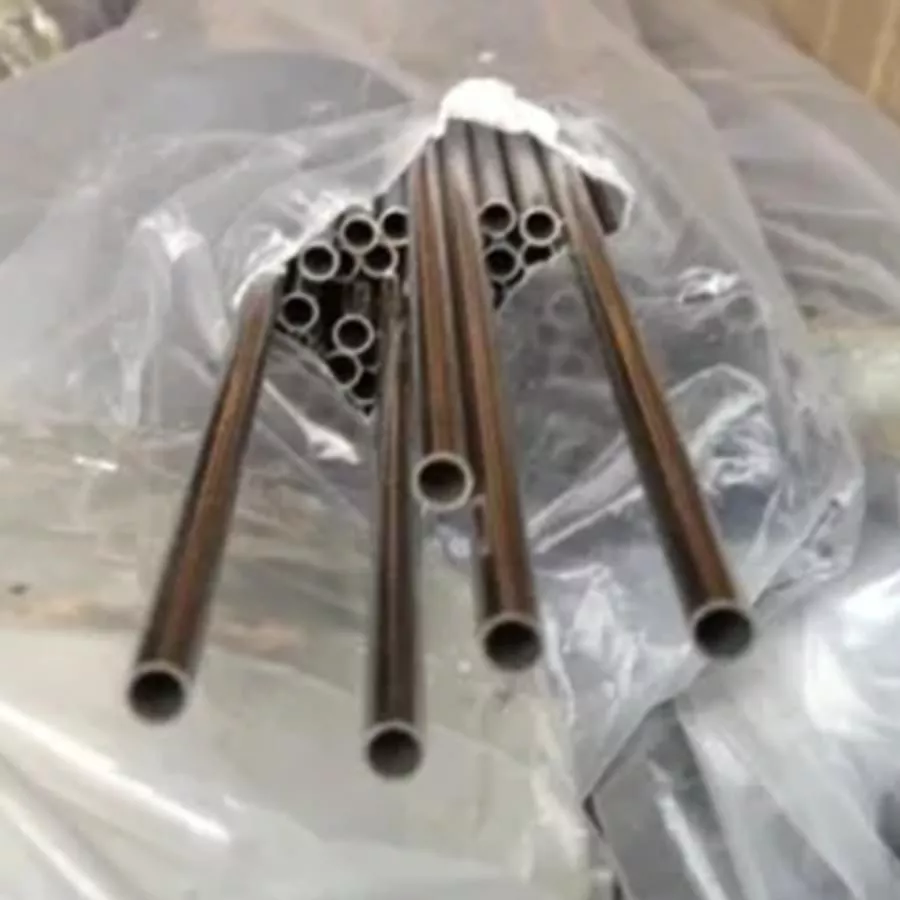
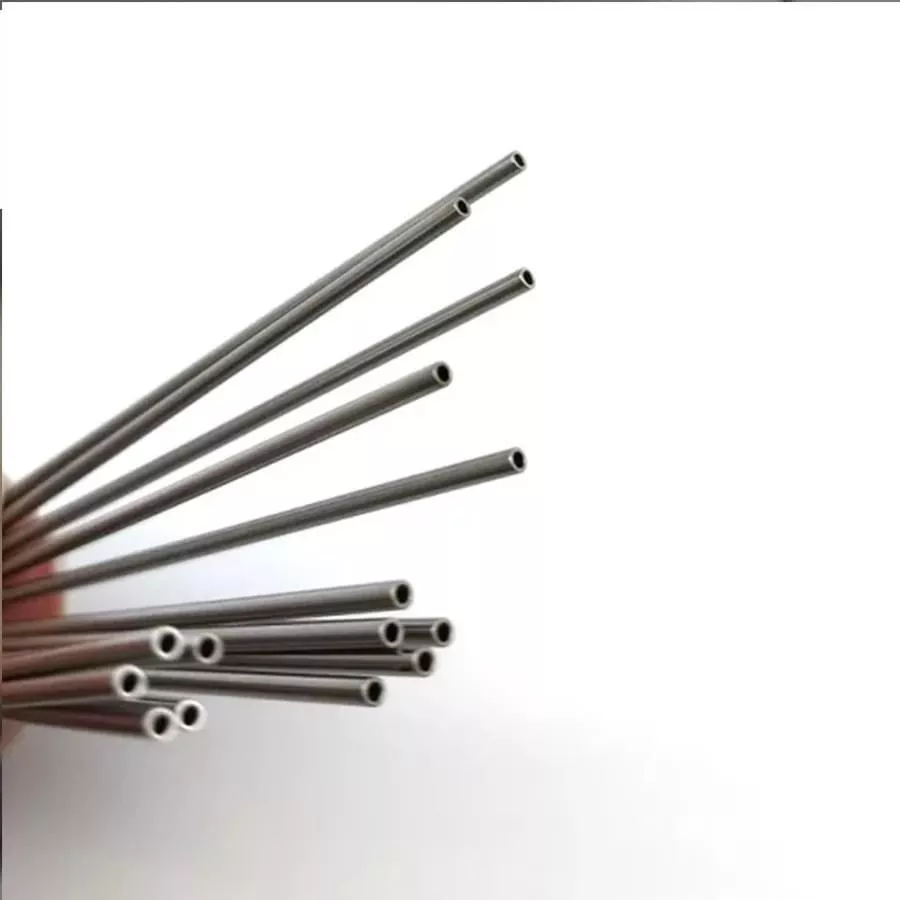

Table of Contents
- What Are Stainless Steel Capillary Tubes?
- How Are Stainless Steel Capillary Tubes Manufactured?
- Stainless Steel Capillary Tube Sizes
- Stainless Steel Capillary Tube Wall Thickness
- Stainless Steel Capillary Tube Grades
- Applications of Stainless Steel Capillary Tubes
- How to Choose a Stainless Steel Capillary Tube Supplier
- What to Consider Before Buying
- Frequently Asked Questions
What Are Stainless Steel Capillary Tubes?
Stainless steel capillary tubes are precision tubing products characterised by small bore diameters and relatively small outside diameters. They are designed to transport gases or liquids in controlled, low-volume applications. Compared with standard industrial tubing, capillary tubes often require tighter dimensional tolerances and carefully controlled internal and external dimensions.
The main differences between capillary tubes and regular tubing involve bore size, wall thickness and dimensional precision. Standard tubing may be used for general fluid transport or structural purposes, whereas capillary tubing is selected for applications where flow characteristics, pressure response or measurement accuracy depend on consistent dimensions.
Terms such as precision tubing, micro tubing and micro-bore tubing may also be used for small-diameter tubing products. However, these terms are not always interchangeable and the actual dimensions and application should be confirmed before selecting a product.
Two important dimensions are the outside diameter and inside diameter. Wall thickness is related to these dimensions and helps determine the tube's pressure capacity, flow characteristics and structural strength. Manufacturers control these parameters according to the required product specification.
How Are Stainless Steel Capillary Tubes Manufactured?
Manufacturing stainless steel capillary tubes involves material preparation, tube forming or drawing, dimensional control and final inspection. The exact process depends on the manufacturing route, material grade, tube dimensions and required tolerances.
Cold Drawing Process
Cold drawing is commonly used to reduce tube dimensions and achieve the required dimensional accuracy. During this process, tubing is pulled through precision dies, and a mandrel may be used to control the internal diameter. Multiple drawing stages may be required to achieve the specified outside diameter, wall thickness and bore size.
Cold drawing can improve dimensional consistency and surface finish. It also affects the mechanical properties of the material, so suitable intermediate or final heat treatment may be required depending on the manufacturing process and product specification.
Seamless Stainless Steel Capillary Tubes
Seamless tubing is produced from a solid billet that is pierced and processed into a hollow tube. Further drawing and finishing operations may be used to achieve the required dimensions.
Seamless construction eliminates a longitudinal weld seam. It may be selected for applications requiring particular pressure performance or uniform construction. Actual suitability depends on the material, dimensions, manufacturing quality and applicable design requirements.
Welded Stainless Steel Capillary Tubes
Welded tubing is generally produced by forming stainless steel strip into a tubular shape and joining the edges with a welding process. Subsequent drawing and finishing operations may be used to obtain smaller dimensions and tighter tolerances.
Welded capillary tubing can be suitable for applications where its dimensional tolerances, weld quality and material properties meet the required specification. Selection between seamless and welded tubing should be based on the application and engineering requirements, rather than price alone.
Material Grade Selection
Grade selection affects corrosion resistance, mechanical properties and suitability for the intended service environment.
304 stainless steel capillary tubes are commonly considered for general-purpose applications requiring corrosion resistance and durability.
316 stainless steel capillary tubes contain molybdenum, which generally improves resistance to pitting and crevice corrosion in chloride-containing environments compared with Grade 304. The appropriate grade depends on the actual chemicals, temperature and operating conditions.
In summary, stainless steel is formed into seamless or welded tubing, then processed through drawing and finishing operations to achieve the required bore diameter, outside diameter, wall thickness and surface finish. Final inspection verifies compliance with the applicable specifications.
Stainless Steel Capillary Tube Sizes
Stainless steel capillary tube sizes are specified by outside diameter, inside diameter and length. The following table shows illustrative size examples to explain these dimensions. Confirm actual availability and tolerances with the supplier.
| Outside Diameter (OD) | Wall Thickness | Inside Diameter (ID) | Common Consideration |
|---|---|---|---|
| 0.50 mm | 0.10 mm | 0.30 mm | Very small fluid passages |
| 1.00 mm | 0.20 mm | 0.60 mm | Precision instrumentation |
| 1.50 mm | 0.25 mm | 1.00 mm | Small-bore tubing assemblies |
| 2.00 mm | 0.30 mm | 1.40 mm | Industrial measurement systems |
| 3.00 mm | 0.50 mm | 2.00 mm | Applications requiring a larger bore |
Note: The dimensions above are mathematical examples, not a confirmed stock list or standard size range. Inside diameter is calculated as OD minus twice the wall thickness.
Stainless Steel Capillary Tube Wall Thickness
Wall thickness affects the tube's internal bore, mechanical strength and pressure capacity. The suitable thickness depends on outside diameter, material grade, operating pressure, temperature and design requirements.
| Wall Thickness | Effect on Tube | Selection Consideration |
|---|---|---|
| 0.10 mm | Leaves more internal space for a given outside diameter | Check handling, deformation and pressure requirements |
| 0.20 mm | Provides a thicker wall than 0.10 mm | Balance bore size with mechanical requirements |
| 0.30 mm | Reduces the internal bore compared with a thinner wall of the same OD | Verify flow requirements and design conditions |
| 0.50 mm | Leaves a smaller bore for the same OD | Assess pressure, weight and available dimensions |
These are example wall thicknesses for comparison, not guaranteed availability or pressure ratings. Pressure capacity must be determined using the applicable design method and actual material properties.
Stainless Steel Capillary Tube Grades
Stainless steel grade selection depends on corrosion exposure, temperature, fabrication requirements and compatibility with the fluid or gas being handled.
| Grade | Key Characteristics | Typical Considerations |
|---|---|---|
| SS 304 | General-purpose corrosion resistance and formability | General industrial and instrumentation uses |
| SS 304L | Low-carbon version of 304 | Often considered for welded fabrication |
| SS 316 | Contains molybdenum for improved resistance to chloride-related corrosion in many environments | Chemical processing and selected marine environments |
| SS 316L | Low-carbon version of 316 | Welded components and corrosion-sensitive service |
Applications of Stainless Steel Capillary Tubes
Stainless steel capillary tubes are used across industries that require small-diameter tubing, controlled fluid movement or precise instrument connections. Application suitability depends on the material, dimensions, construction and operating conditions.
Medical Devices
Precision stainless steel tubing is used in selected medical components, including needle tubing and specialised fluid-handling assemblies. Applications requiring medical or biocompatibility compliance need the appropriate material certification, surface finish, cleanliness and validation.
Aerospace
Aerospace systems may use small-diameter stainless steel tubing in selected fluid systems, instrumentation connections and sensor assemblies. Weight, pressure, temperature, vibration and applicable aerospace requirements must be considered when selecting tubing.
Pharmaceutical Manufacturing and Chromatography
Precision tubing may be incorporated into analytical instruments, chromatography systems and selected pharmaceutical equipment. Bore consistency, material compatibility, cleanliness and surface condition are important when they affect measurement accuracy or process integrity.
Automotive
Small-diameter tubing can be used in selected automotive instrumentation, sensing and fluid-handling systems. The required material and tube construction depend on the system's pressure, temperature and environmental conditions.
Instrumentation and Pressure Sensors
Capillary tubing may connect pressure sensors, measuring instruments and other precision components. Dimensional consistency and suitable internal flow characteristics help the assembled system perform according to its design.
Thermocouples and Temperature Measurement
Small-diameter metal tubing may be used in selected temperature measurement assemblies, sensor protection arrangements and instrumentation systems. The specific tube design depends on the sensor construction and service conditions.
Refrigeration Systems
Capillary tubes are used as metering devices in certain refrigeration systems. They restrict refrigerant flow and create a pressure drop between the high-pressure and low-pressure sides of the system. The tube dimensions must match the refrigeration system design.
Example: Pressure Sensor Manufacturing
A pressure sensor manufacturer may require small-bore tubing to connect a sensing element to a measurement chamber. Variations in internal diameter, tube length or assembly conditions can affect system response. Specifying appropriate dimensions and tolerances helps support consistent performance across production batches.
How to Choose a Stainless Steel Capillary Tube Supplier
Selecting a reliable capillary tube manufacturer or supplier involves more than comparing prices. Buyers should evaluate technical capability, documentation, product consistency, delivery schedules and the supplier's ability to meet the required specification.
Certifications and Quality Control
Review relevant quality certifications and ask about material traceability, inspection procedures and material test certificates. Medical, aerospace and other regulated applications may require additional product-specific certifications, testing or approvals. Verify that the documentation applies to the actual product being supplied.
Lead Times and Availability
Confirm whether the required grade and dimensions are available from stock or require production. Ask for an estimated dispatch schedule and delivery timeline, particularly for projects with fixed installation dates or ongoing production requirements.
Custom Manufacturing Capabilities
Some applications require non-standard outside diameters, bore sizes, wall thicknesses, cut lengths or dimensional tolerances. Confirm that the supplier can meet the required specifications and clarify any minimum order quantities or tooling requirements.
Order Quantity and Commercial Terms
Determine whether the requirement involves a prototype, a small production batch or recurring bulk orders. Pricing can vary with material grade, dimensions, tolerances, order quantity, finishing requirements and inspection documentation. Compare quotations using equivalent specifications and delivery terms.
Capillary Tube Supplier Evaluation Checklist
- Material grade and product specification are clearly identified.
- Outside diameter, bore size and wall thickness meet requirements.
- Dimensional tolerances and surface finish are specified.
- Material certification and traceability requirements are confirmed.
- Relevant quality certifications have been verified.
- Custom sizes and cut lengths can be assessed where required.
- Lead times and product availability are confirmed.
- Minimum order quantities and commercial terms are understood.
- Technical support is available to clarify product specifications.
- Inspection and testing requirements are agreed before ordering.
What to Consider Before Buying
Buyers can source stainless steel capillary tubes directly from manufacturers, through stockists or distributors, or using established industrial procurement channels. The appropriate route depends on required dimensions, order quantity, lead time and the level of technical support needed.
Buying Online
Manufacturer and supplier websites can help buyers review product information, submit technical enquiries and compare available specifications. Before placing an order, confirm the exact grade, construction, dimensions, tolerances, certification and delivery terms rather than relying on a general product description.
Working with Local Suppliers
Searching for stainless steel capillary tube suppliers near your location may help when local collection, direct technical discussions or shorter transport times are important. Buyers should still evaluate material quality, documentation and the supplier's ability to meet the required specifications.
Factors Affecting Stainless Steel Capillary Tube Prices
Stainless steel capillary tube prices depend on several factors, including:
- Material grade, such as 304 or 316 stainless steel.
- Outside diameter, inside diameter and wall thickness.
- Dimensional tolerances and surface finish requirements.
- Seamless or welded construction.
- Order quantity and minimum production requirements.
- Custom cutting, finishing and additional processing.
- Inspection, testing and material documentation.
- Packaging, shipping destination and delivery schedule.
Since project specifications differ, buyers should request a quotation based on the complete technical requirement. Published prices may not reflect custom dimensions, specialised tolerances or order-specific inspection requirements.
Establishing an Ongoing Supply Relationship
Businesses with recurring requirements may benefit from working with a consistent manufacturer, stockist or distributor. A dependable supply arrangement can simplify repeat ordering, specification control and delivery planning. Confirm stock commitments, batch traceability and commercial terms before establishing a recurring supply agreement.
Frequently Asked Questions
Stainless steel capillary tubes are used to carry gases or liquids in precision applications such as instrumentation, pressure sensors, chromatography equipment, selected medical systems and refrigeration equipment. Their small dimensions make them suitable for applications requiring controlled fluid movement.
Stainless steel capillary tubes may be manufactured using seamless or welded construction, followed by drawing and finishing operations. These processes help achieve the required outside diameter, bore size, wall thickness, surface finish and dimensional tolerances.
Stainless steel capillary tube sizes vary according to the manufacturer and production process. Small-diameter tubes may range from a few thousandths of an inch to approximately 0.250 inches in outside diameter. Confirm the required outside diameter, bore size, wall thickness and dimensional tolerances with the supplier.
Capillary tubes generally have smaller outside and inside diameters than standard industrial tubing and may require tighter dimensional tolerances. They are commonly selected for precision fluid handling, instrumentation and applications where dimensional consistency is important.
Stainless Steel 304 is commonly considered for general-purpose applications, while Stainless Steel 316 may be preferred where improved resistance to chlorides or certain chemicals is required. The appropriate grade depends on the operating environment, temperature and material compatibility requirements.
Stainless steel capillary tubing can be cut using suitable precision cutting methods selected according to the material, wall thickness and dimensional requirements. Cutting should minimise deformation, burrs and bore damage. The cut ends should be inspected and finished as required for the application.
There is no single standard wall thickness for all stainless steel capillary tubes. The required thickness depends on the outside diameter, bore size, material grade, operating pressure, temperature and applicable product specification.
Stainless Steel 304 and 316 offer corrosion resistance in many environments. Grade 316 generally provides better resistance to chloride-related pitting than Grade 304. Actual performance depends on the chemical environment, temperature, surface condition and service requirements.
Selecting stainless steel capillary tubing involves evaluating material grade, dimensional accuracy, application requirements and supplier reliability. The correct combination helps ensure that the tubing meets the technical demands of the intended system.
Before requesting a quotation, prepare the required material grade, outside diameter, inside diameter or wall thickness, tube length, manufacturing method, dimensional tolerances and quantity. Include any applicable product standards, inspection requirements and material documentation requirements.
Kamal Steels welcomes enquiries for industrial stainless steel products. Contact our team with your capillary tube requirements to discuss product availability, applicable specifications and quotation details.